Consecrated items are things set aside for God. They can include people and sometimes property. Those vessels in the temple represented people. People are vessels. Consecration represents bodies and lives given to God.
Consecrated places are spaces where God’s people meet habitually. It can be under a tree. It can be a classroom. Whenever God’s people gather, that place is consecrated. The physical room does not matter as much as the people in it. It is the consecrated people that make the place consecrated.
If God’s people meet daily in a classroom, that classroom is consecrated for that purpose. It does not mean normal activities cannot happen there. Paul met in the school of Tyrannus for about two years. The space was set apart for that use.
Consecrated people are not just those in church buildings. An office can be consecrated. A calling can be consecrated. A field of labor can be consecrated. The abuse comes when people think consecration can never be lost. That no matter what they do, they remain consecrated. That is not true.
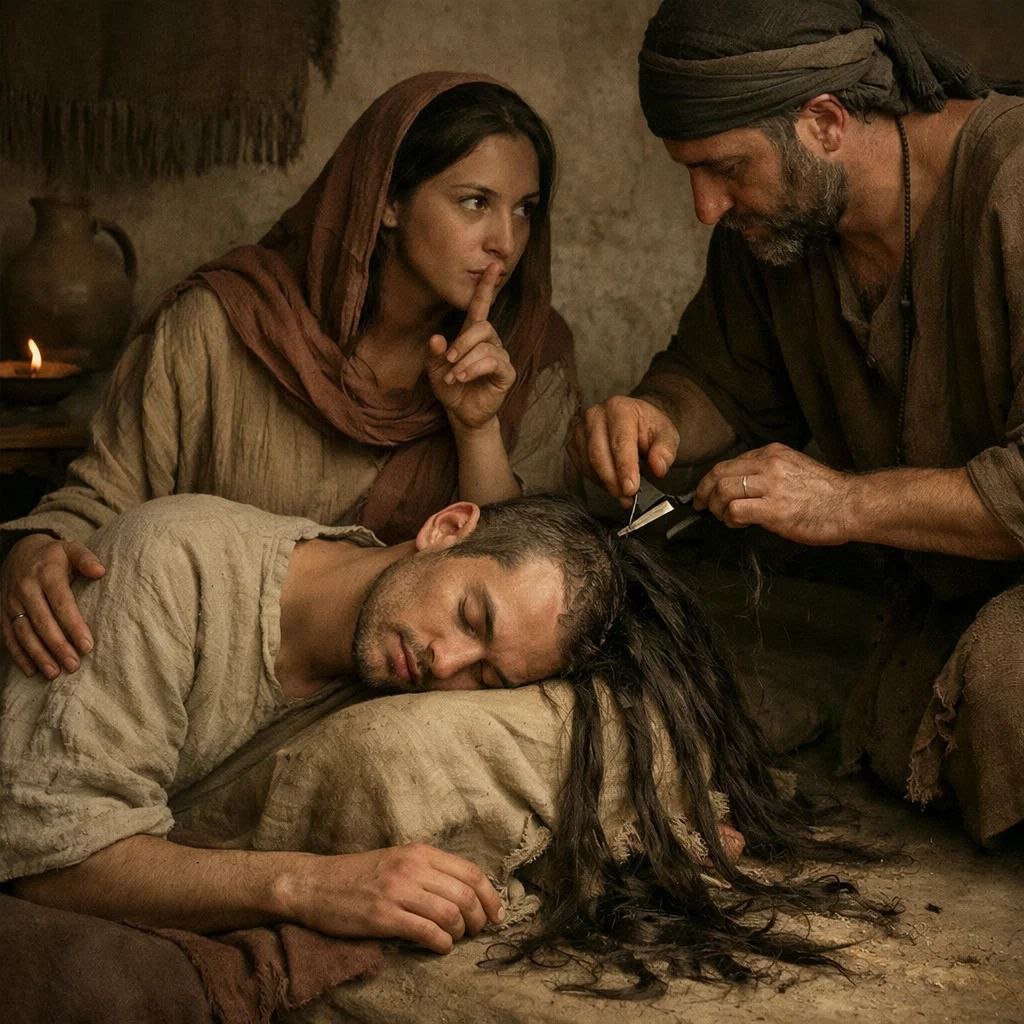
Ask Samson. His head was consecrated, but he lost it. When consecrated people commonize their behavior, they lose power and authority. Consecration attracts God’s Spirit. When the vessel becomes like everybody else, the Spirit lifts.
Some people need three days, seven days, or fifty days of fasting before God can move. That is not a sign of deep spirituality. It is often a sign of how unconsecrated their normal life is. To set themselves apart requires extreme effort.
You can either live a consecrated life daily or try to consecrate yourself occasionally with long fasts. If you live a consecrated life, God shows up even in simple meetings, without much ado. The space is maintained consecrated.
Full communiqué: https://youtu.be/RFXE-0IxvkIp
[Published On 12/1/2026]