There is something very clear in Scripture that people sometimes struggle to accept: God does not have a problem with soldiers simply because they are soldiers.
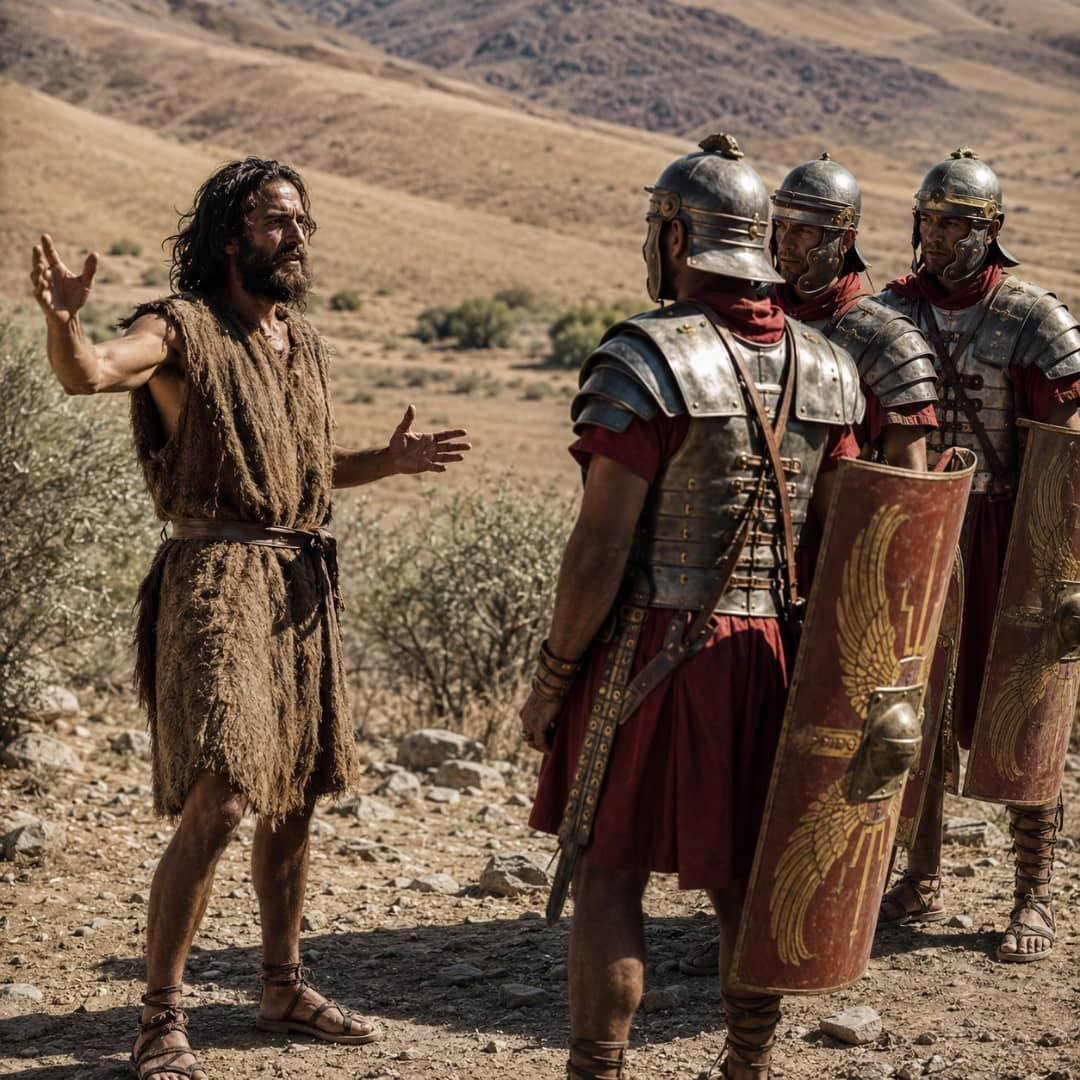
When soldiers came to John the Baptist and asked what they should do to show that they had repented, John did not tell them to resign. He did not tell them to throw away their weapons or leave the army.
Luke 3:14 says, “And the soldiers likewise demanded of him, saying, ‘and what shall we do?’ And he said unto them, ‘do violence to no man, neither accuse any falsely, and be content with your wages.'”
John corrected their conduct as soldiers. He told them not to oppress people, not to falsely accuse people, and not to extort money. But he did not tell them that being a soldier itself was sinful.
Paul also used the soldier as an example when he said in 2 Timothy 2:3, “Thou therefore endure hardness, as a good soldier of Jesus Christ.”
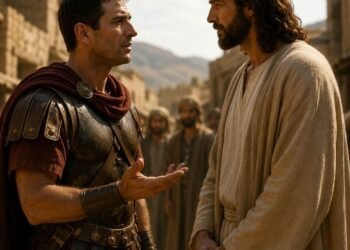
And look at the Roman centurion. He was not told to resign from the army. Jesus actually said concerning him, “I have not found so great faith, no, not in Israel.” This was a Roman soldier, belonging to an occupying force.
If being a soldier was itself incompatible with following God, you would expect John, Jesus, or the apostles to address it directly. They did not.
The issue was not the profession. The issue was wickedness.
This distinction is important. There is lawful killing and there is murder. A soldier can carry out his lawful duty without committing murder. At the same time, he cannot use the excuse of duty to justify wickedness.
God’s instruction was essentially: do your duty, but do not be wicked.
Full communiqué: https://www.youtube.com/live/tWCi18SJxJ4?si=WbV2-z0W2b4K2YO3
[Published On 28/08/2026]